
A bride’s field guide · Southern California
They may all carry a camera, but they are preserving three very different versions of your wedding day. Here is the straightforward explanation couples actually need.
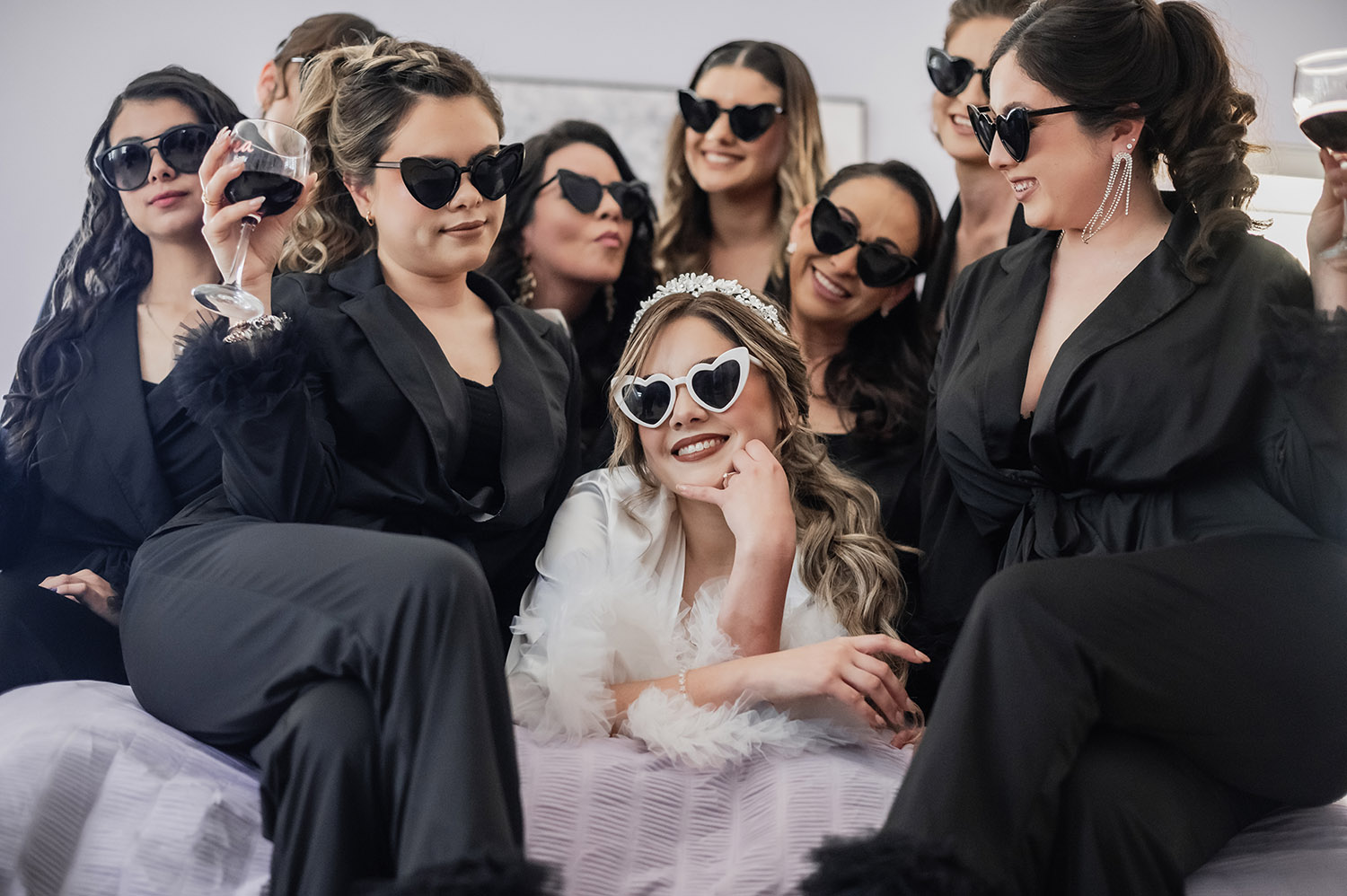
ONE DAY · THREE WAYS TO REMEMBER IT
Why does it feel so confusing?
Because all three professionals create beautiful visuals, but the purpose, process and final result are not the same.
A wedding content creator is built for speed and social sharing. A wedding photographer is built for still images that can live on walls and in albums. A wedding videographer is built for movement, voices and a story that unfolds over time.
The right choice depends on how you want to relive the day.
Same wedding.
Different purpose.
Content
Creator
Vertical phone clips, candid moments behind the scenes, trends, Reels and quick delivery, often within 24 to 48 hours.
Wedding
Photographer
Intentional composition, flattering light, decisive moments and high resolution images designed to be printed, framed and passed down.
Wedding
Videographer
Motion, natural audio, vows, speeches, music and pacing shaped into a cinematic wedding film with emotional continuity.
Photography lets you hold a moment. Film lets you hear it breathe. Content lets you share it while the energy is still fresh.
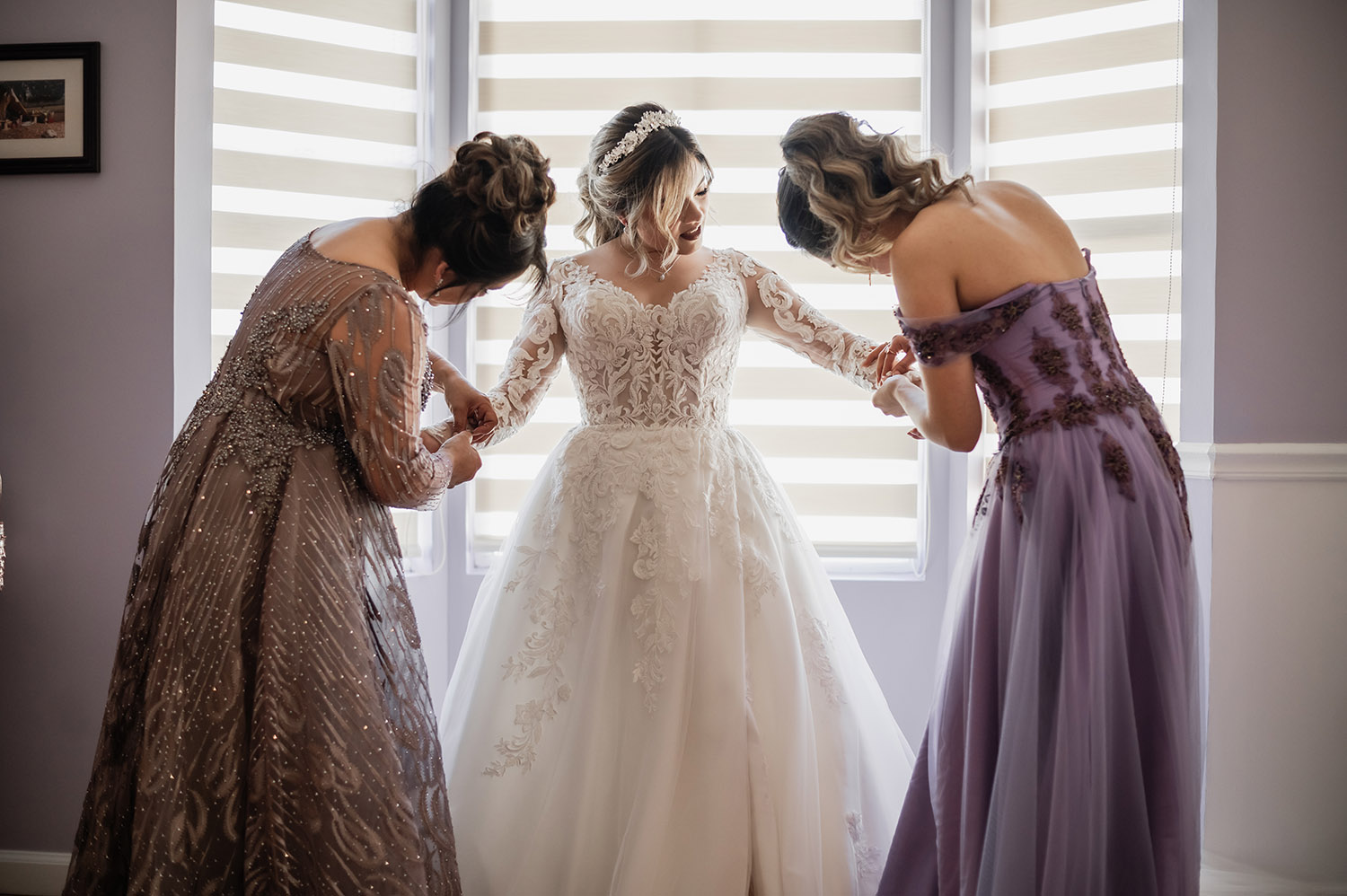
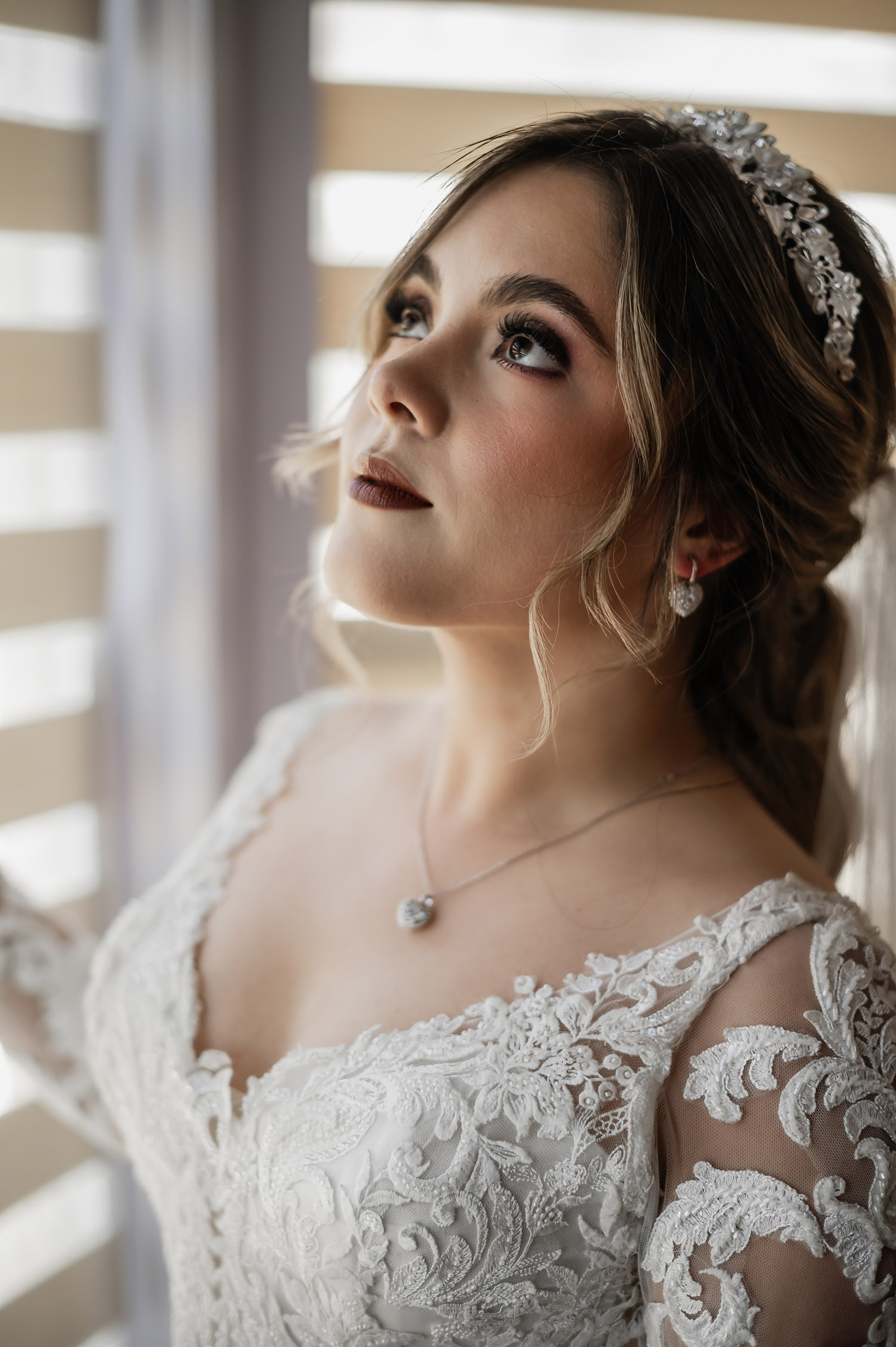
Think beyond the camera.
Before comparing packages, compare the experience and the deliverables. Ask what is captured, how it is edited, how long it is preserved and what you will still value after the trends change.
A local perspective
Weddings move differently across San Diego, Temecula and Southern California.
Coastal light changes quickly. Temecula vineyard timelines stretch into golden hour. Downtown celebrations move between locations. Experience with the region helps a photo and video team anticipate those transitions instead of reacting late.
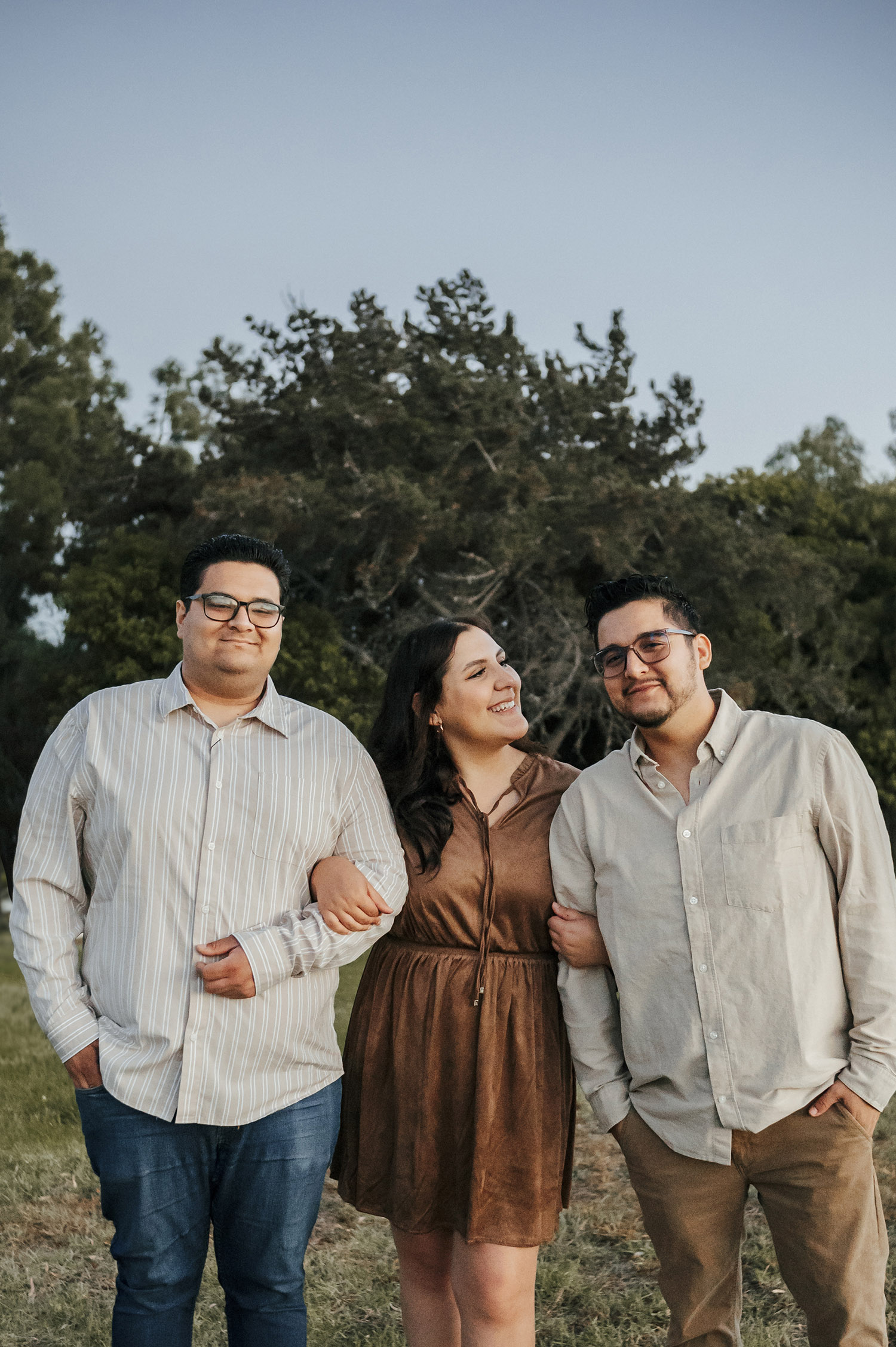
Two perspectives can create one consistent story.
For teams like Luis and Mel at Ibanez Weddings, photography and film are planned together and are not treated as two crews competing for the same moment.
That coordination matters quietly: cleaner timelines, fewer repeated poses, more space for real emotion and a visual story that feels cohesive from the first photograph to the final frame of the film.
The best coverage rarely feels like a production. It feels like being fully present while someone trustworthy notices everything.
So, which one do you need?
If immediate social memories matter most, consider a content creator. If you want heirloom stills, prioritize photography. If voices and movement matter, protect space for film. And if each kind of memory matters differently, a combination may be the honest answer.
Save this guide for your wedding planning conversations. The right choice is the one that matches how you want to remember, not what the algorithm says you should book.